About Herrmann Brain Dominance Instrument (HBDI)
The Herrmann Model, proposed by Ned Herrmann, is a framework that helps understand thinking styles. It is based on the idea that different regions of the brain are responsible for specific thinking processes. The model is widely used for self-understanding, effective communication, and team collaboration.
Basic Theory of the Herrmann Model
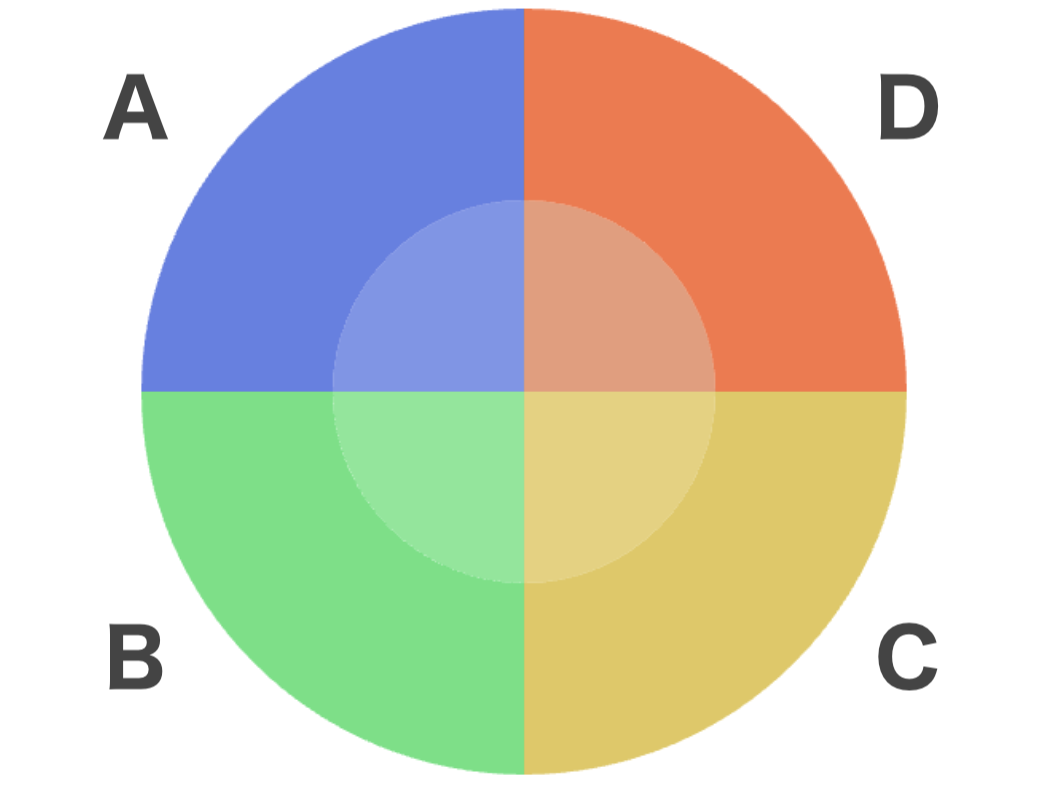
The model divides the brain into left and right hemispheres, each with logical (upper) and emotional (lower) tendencies. These four regions represent different thinking patterns:
A. Analytical / Logical
- A thinking style that emphasizes logical problem-solving and data- or fact-based approaches. Tends to prefer numerical analysis and scientific validation.
- Feature: Able to perceive things calmly and objectively. Good at critical thinking.
- Example: Derives realistic solutions based on data. For example, engineers or scientists analyze facts to solve problems logically.
B. Organized / Sequential
- A style that values planning and systematic progress. Values discipline and order, and excels at organizing and solving practical problems.
- Feature: Prefers structured approaches and manages time and resources efficiently.
- Example: A project manager carefully manages schedules and resources to keep things on track.
C. Interpersonal / Emotional
- A thinking style focused on emotions and human relationships. Skilled at sensing emotional nuances and values cooperation and empathy.
- Feature: Good at emotional support and communication. Values relationships.
- Example: A counselor or team leader understands and supports the emotions of team members.
D. Creative / Intuitive
- A thinking style that values creativity and future-oriented ideas. Good at seeing the big picture and exploring new approaches and concepts.
- Feature: Excellent at abstract thinking and strategic vision. Generates new ideas.
- Example: An entrepreneur develops innovative products with an eye on future market trends.
Each person has all four regions, but the strength of each varies. Understanding the interaction of these styles is important for personal and organizational growth.